
Monsoon Logistics Challenges in India: How Transporters Ensure Safe & On-Time Deliveries
Blogs
Monsoon Logistics Challenges in India: How Transporters Ensure Safe & On-Time Deliveries
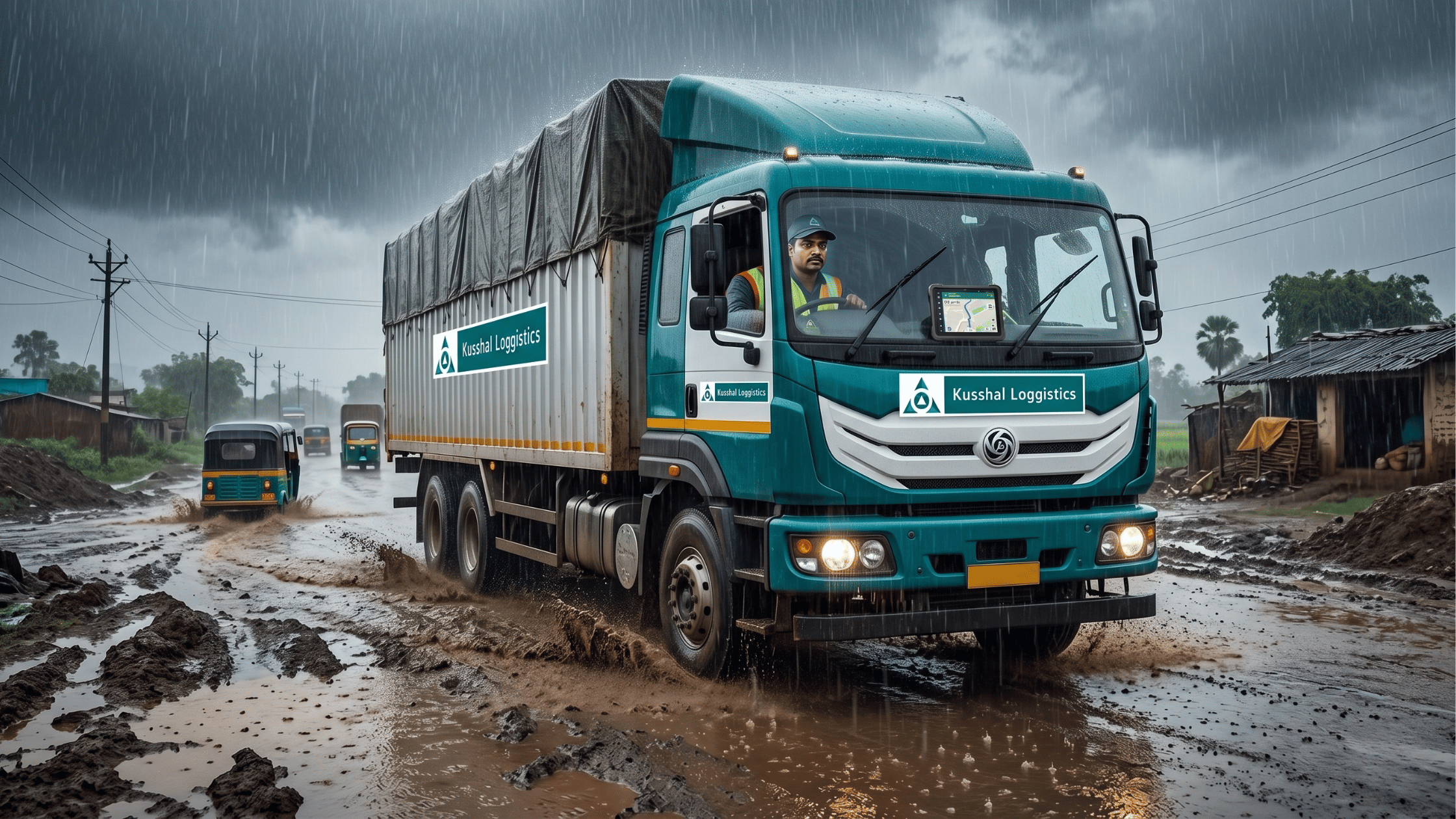
Most people are excited when the monsoon season comes to India. The climate is pleasant, the temperatures are lower, and the cities are finally relieved of the intolerable summer heat. But in the case of the logistics industry, monsoon can be a completely different reality. Roads turn unpredictable, highways are waterlogged, and transportation schedules begin to be impacted almost instantly.
In the case of businesses that rely on timely deliveries, a minor delay can cause bigger operational problems. A late shipment can disrupt manufacturing plans, retail stock flow, or customer orders. This is precisely the reason why monsoon logistics planning has become very crucial to transporters in India.
Managing deliveries during heavy rainfall is not only about moving goods from one location to another. It is also concerned with cargo protection, choosing safer routes, creating backup transportation plans, and communication during the delivery process. Those companies that do not prepare usually find it difficult during this season, whereas organised logistics providers keep operations going with minimal disruption.
Why Monsoon Causes Significant Logistics Issues.
In India, rain influences nearly all the layers of transportation activities. Although highways are the main mode of cargo transportation, most roads in industrial and rural areas are hard to reach during persistent rain. Traffic congestion alone can add several hours to delivery times in certain places.
Besides the road conditions, vehicle breakdowns are also more prevalent during the monsoon. Water in engine systems, tyre damage, and poor visibility on the road pose severe problems to drivers. This is especially difficult for long-distance transport operations where even minor technical failures can impact multiple deliveries together.
Cargo protection is another significant issue. Electronics, pharmaceuticals, food products, clothing, chemicals, and industrial equipment are some of the products that should be handled well in wet conditions. Without appropriate packaging and loading precautions, businesses can face inventory losses during transportation.
That is why seasoned transporters pay much attention to preventive planning prior to the onset of the monsoon season.
The Significance of Route Planning in Monsoon.
One of the biggest mistakes transport companies make during rainy seasons is depending only on regular delivery routes. The roads that are smooth in summer can be very dangerous in the rainy season. Some highways are severely waterlogged annually, and some state roads are temporarily closed.
Before cargo is dispatched, professional logistics providers constantly observe weather conditions and traffic flow. They do not use fixed transportation patterns but develop flexible route plans based on the intensity of rainfall in the region.
As an illustration, shipments heading to coastal areas usually need alternative route planning during the monsoon season. Likewise, industrial areas that are close to rivers or lowlands might require more travel buffers to prevent unforeseen delays.
GPS-enabled vehicle tracking systems are now being used by modern logistics companies to track the performance of routes in real time. This enables transport teams to divert vehicles in case of significant disruptions. These systems enhance the speed of response and minimise unnecessary waiting time on congested highways.
Meanwhile, route planning also assists drivers in being safer in challenging road conditions.
The way Cargo Safety Becomes a Top Priority.
Cargo protection is as important as timely transportation during the monsoon. A late delivery is still controllable, but spoiled products can cause greater losses to companies.
That is why transporters take various precautions prior to sending cargo during rainy seasons. Waterproof wrapping materials, moisture-resistant covers, and safe loading methods are necessary at this stage.
Layered protection is used to pack goods in most instances to reduce exposure to water. Sensitive products are normally carried in covered containers or specialised vehicles that are weather-resistant.
Monsoon also makes warehousing operations more critical. Unless the inventory storage facilities are well-drained or humidity-controlled, the products can be damaged before they are even transported.
This is where organised 3PL providers play an important role. Companies would like to have logistics companies that can handle transportation and warehousing as a single entity, since it would provide better coordination in case of unpredictable weather conditions.
Reason why real-time communication is more important during rainy seasons is that
Lack of updates is one of the frustrations that businesses experience when making deliveries during monsoons. Most delays can be handled when customers are informed in time about the movement of shipments.
The contemporary logistics processes have become very much concerned with real-time visibility in the transportation cycle. GPS tracking systems, live vehicle tracking, and automated update systems enable businesses to keep track of the progress of deliveries.
Such visibility is very helpful when the weather conditions change abruptly. When highways are congested or delivery times change suddenly, companies can change their operational planning instantly.
In the case of transporters, communication also enhances coordination among drivers, warehouse teams, and dispatch departments. Teams are able to make quicker decisions as shipments are in transit rather than responding to disruptions late.
This operational transparency has become very critical in the monsoon months in industries like e-commerce, retail, healthcare and manufacturing.
The Preparedness of Drivers in Monsoon Operations.
Technology definitely enhances efficiency in logistics, but skilled drivers are equally significant in challenging weather conditions. Operating heavy commercial vehicles in the rainy season is a matter of patience, care, and familiarity with the route.
Before the monsoon operations start, professional logistics companies carry out vehicle inspections. Braking systems, tyres, headlights, wipers, and engine performance are inspected to minimise the chances of breakdowns during transit.
Drivers are also trained to deal with low visibility, slippery roads and emergency response scenarios. In most areas, the transport timetables are changed to prevent risky night driving during extreme weather warnings.
The other significant aspect is rest management. Monsoon transportation can be physically demanding due to road conditions and traffic congestion. Conscientious logistics companies make sure that drivers are well supported in the transportation cycle.
This not only enhances the performance of delivery but also minimises the risk of accidents during adverse weather conditions.
The role of Warehousing in supporting Monsoon Logistics.
Most companies only consider transportation when planning for the monsoon, yet warehousing is equally significant in supply chain continuity. Even when the transportation schedules are uncertain, a well-managed warehouse can minimise disruptions.
As an illustration, the strategic placement of warehouses enables companies to keep stock nearer to key delivery areas. This minimises reliance on long-distance emergency deliveries during heavy rainy seasons.
Warehouses also facilitate quicker order processing whenever transportation windows are available. Distributed inventory management allows businesses to keep regional fulfilment going without having to wait until stock moves in remote locations.
The contemporary warehousing systems also assist in the monitoring of inventory, moisture, organised storage and safer handling of cargo during rainy seasons.
The key monsoon benefits of the warehouse are:
These operational benefits are highly appreciated when transportation networks are repeatedly disrupted during monsoon peaks.
Contingency Planning Assists Businesses in Escaping Significant Delays.
Among the lessons that the logistics industry has acquired over the years is that monsoon disruptions cannot always be avoided altogether. Nevertheless, effective contingency planning can greatly mitigate operational impact.
Seasoned transporters make contingency plans long before the rainy season sets in. This involves finding alternative transportation channels, having backup vehicles, developing flexible warehouse support systems, and emergency response procedures.
In some situations, transporters may divide shipments into multiple smaller movements instead of depending on a single large consignment. This minimises the chances of total delivery failure in case one route is disrupted.
Equally, logistics companies tend to coordinate more with local transport groups during the monsoon months. Local drivers tend to be more familiar with routes and have a better understanding of weather patterns in the region.
Customer confidence is also enhanced by contingency planning. When logistics providers have recovery plans in place before disruptions take place, businesses feel more secure.
Reasons why businesses should have trusted logistics partners during the monsoon.
Most companies do not realise the extent to which the performance of logistics influences customer satisfaction in rainy seasons. Brand reputation can be easily affected by delayed deliveries, damaged goods, and ineffective communication.
That is why it is highly important to choose the appropriate logistics partner when conducting monsoon operations. Companies are seeking transporters that can offer them reliable transportation services and warehousing, tracking, inventory management, and contingency planning services.
A reliable logistics partner realises that monsoon issues need to be planned rather than reacted to at the last minute. The emphasis is on continuity of operations even in the case of weather disruptions.
Firms that invest in structured logistics systems tend to recover more quickly than those that rely on piecemeal transport arrangements in the event of seasonal disruptions.
Conclusion
Monsoon can pose inevitable difficulties in transportation within India, yet most of the operational risks can be minimised through organised logistics planning. Smart route management, cargo protection, and warehouse coordination are all significant steps towards ensuring efficiency in deliveries during rainy seasons.
Companies now need logistics partners that are able to respond swiftly, communicate openly, and operate even in harsh weather conditions. Kusshal Loggistics has remained in the business of providing integrated warehousing, transportation and supply chain solutions to businesses in India to ensure reliability, safety and continuity of operations.